

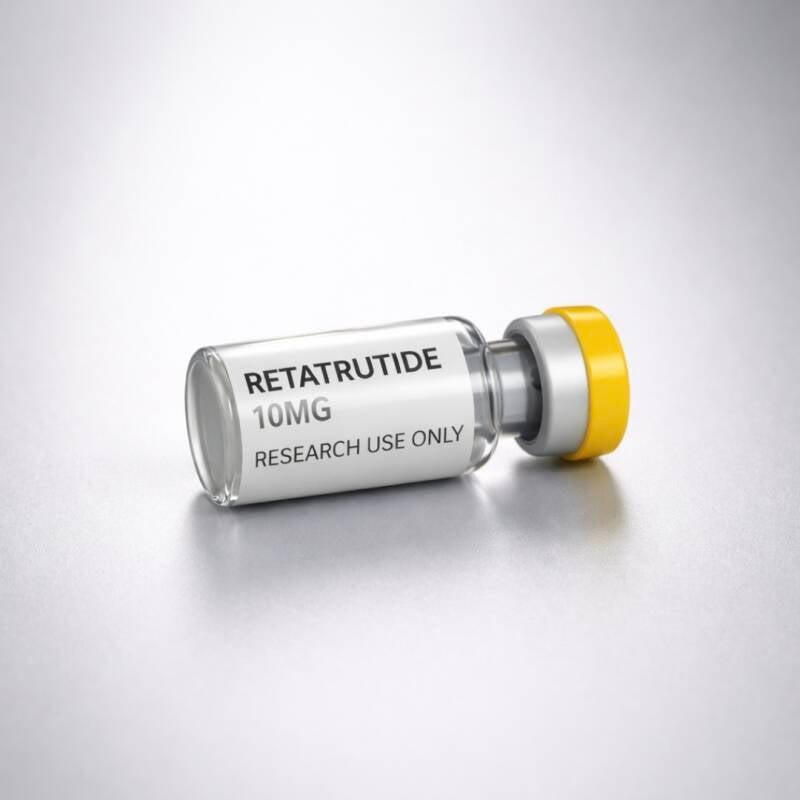
Retatrutide:
A New Generation Metabolic Therapy
Retatrutide is an experimental medication designed to treat obesity and metabolic disease by targeting multiple hormonal pathways that control appetite, metabolism, and energy use. Unlike earlier weight-loss drugs that activate a single hormone receptor, retatrutide works as a triple agonist, stimulating three important metabolic receptors: GLP-1 (glucagon-like peptide-1), GIP (glucose-dependent insulinotropic polypeptide), and the glucagon receptor. This combined mechanism is why researchers sometimes refer to it as a “triple-G” therapy, because it activates GLP-1, GIP, and glucagon pathways simultaneously. Springer +1
These three hormones play different roles in regulating metabolism. GLP-1 reduces appetite and slows stomach emptying, helping people feel full sooner. GIP improves insulin signaling and supports metabolic balance, while glucagon increases energy expenditure and fat burning. When all three systems are activated together, the body tends to eat less while also burning more calories, producing a powerful metabolic effect. PMC
Several clinical trials have demonstrated impressive results. In a major phase-2 clinical study involving adults with obesity, retatrutide produced large reductions in body weight over time. Participants receiving the highest doses lost an average of up to 24.2% of their body weight after 48 weeks, while those receiving a placebo lost only about 2%. In practical terms, that level of weight loss can equal more than 25 kilograms for many individuals. Researchers also reported that most participants achieved clinically meaningful results: in the highest-dose group, over 90% lost at least 10% of their body weight. Ovid +1Ovid
Later trials continued to show strong outcomes. In one large late-stage study involving people with obesity and knee osteoarthritis, participants using retatrutide lost an average of about 28.7% of their body weight over 68 weeks, along with improvements in joint pain and physical function. These results suggest that the medication may not only reduce body weight but also improve mobility and quality of life in people whose excess weight contributes to joint stress. PR Newswire +1
Beyond weight loss, studies show improvements in several metabolic health markers. Research has reported reductions in blood sugar levels, improvements in insulin control, and decreases in liver fat in individuals with metabolic disorders. These effects make retatrutide particularly promising for people with obesity, type-2 diabetes, or metabolic syndrome, conditions where energy regulation and insulin signaling are impaired. PMC +1
Participants in clinical trials also described meaningful real-world changes. Many reported feeling less hungry, eating smaller portions, and having better control over food cravings. Some experienced increased energy, improved mobility, and greater confidence as their weight decreased. These behavioral changes are important because sustained weight loss often depends on long-term shifts in appetite and lifestyle habits. ScienceDirect
Expectations for retatrutide are therefore high. If ongoing phase-3 trials confirm its safety and effectiveness, it may represent one of the most powerful pharmacological treatments for obesity developed so far. Researchers believe the drug’s triple-hormone mechanism may allow greater weight loss than current GLP-1-based therapies while also improving metabolic health more broadly. Springer
In summary, retatrutide is a next-generation metabolic therapy that combines appetite suppression, improved insulin regulation, and increased energy expenditure in a single treatment. Clinical trials have demonstrated substantial weight loss and improvements in metabolic health, particularly for people with obesity and related conditions. As larger trials continue, the drug is widely viewed as a promising step toward more effective treatments for obesity and metabolic disease.