

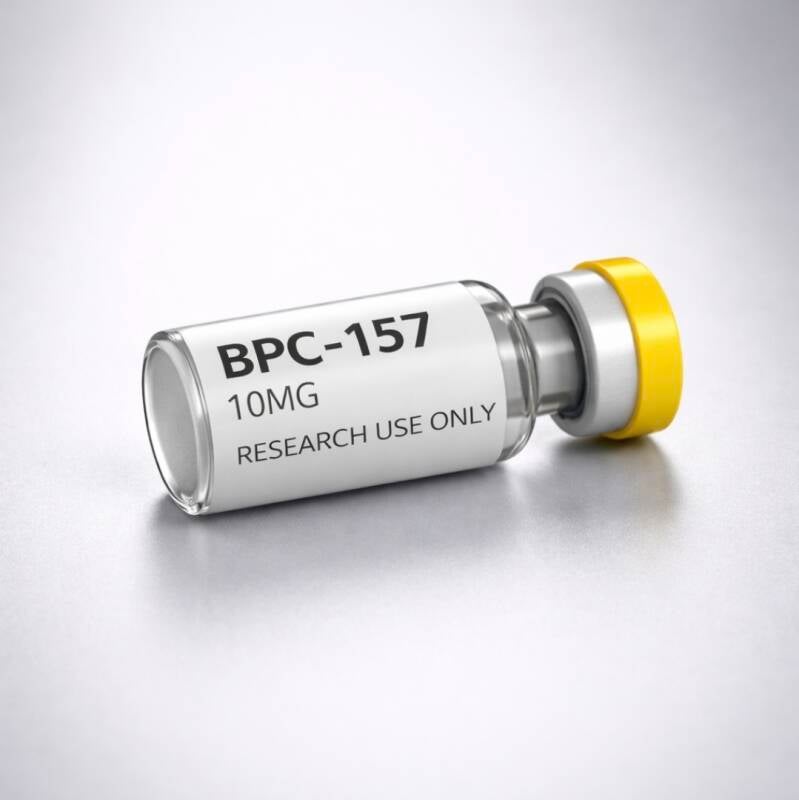
BPC-157:
A Peptide With Remarkable Healing Potential
BPC-157, short for Body Protection Compound-157, is a synthetic peptide derived from a naturally occurring protective protein found in human gastric juice. It consists of a chain of fifteen amino acids and has attracted growing interest in scientific research because of its potential ability to support tissue repair, reduce inflammation, and accelerate recovery from injuries. Researchers first began studying BPC-157 while investigating how the stomach protects itself from damage caused by acid and stress. During those experiments, scientists discovered that this peptide appeared to influence healing processes throughout the body, not just within the digestive system.
One of the most interesting characteristics of BPC-157 is its apparent ability to stimulate angiogenesis, which means the formation of new blood vessels. Blood vessels are crucial for healing because they deliver oxygen, nutrients, and repair cells to injured tissue. Studies conducted by researchers such as Dr. Predrag Sikiric and colleagues at the University of Zagreb have shown that BPC-157 can accelerate healing in animal models of tendon injuries, ligament damage, muscle tears, and bone defects. In these experiments, treated animals demonstrated faster recovery and stronger repaired tissue compared with untreated groups. For example, studies involving severed Achilles tendons in rodents showed significantly improved tendon healing, better organization of collagen fibers, and a faster return of functional strength.
Research has also explored BPC-157’s effects on the gastrointestinal system. Because the peptide originates from a protective stomach compound, scientists investigated whether it could repair ulcers or intestinal damage. Multiple experiments have shown that BPC-157 can protect the stomach lining, promote healing of gastric ulcers, and reduce inflammation in the digestive tract. In animal models of inflammatory bowel disease, the peptide appeared to improve intestinal healing and restore the integrity of damaged gut tissue. This protective effect is thought to be related to its influence on growth factors and blood vessel formation within the gastrointestinal lining.
Another area of interest is BPC-157’s potential role in musculoskeletal recovery. Athletes and researchers alike are interested in its ability to support the repair of ligaments, tendons, and muscle tissue. Experimental studies have shown improvements in healing of torn ligaments such as the medial collateral ligament (MCL), as well as enhanced recovery from muscle injuries. In these models, BPC-157 appeared to stimulate fibroblasts—the cells responsible for producing collagen and connective tissue—which may help explain the stronger tissue repair observed in experiments.
Beyond tissue repair, research suggests that BPC-157 may influence the nervous system and inflammation pathways. Some laboratory studies indicate that the peptide interacts with nitric oxide signaling, a biological system involved in blood flow and cellular communication. By modulating these pathways, BPC-157 may help reduce inflammation and support nerve healing. In animal studies involving nerve damage, the peptide demonstrated the ability to promote nerve regeneration and improve functional recovery. These findings have led scientists to investigate whether BPC-157 could potentially help conditions involving nerve injury or neurological stress.
Real-world expectations surrounding BPC-157 largely center on its possible role as a recovery-supporting compound. Researchers believe it may be particularly useful for individuals dealing with chronic injuries, joint problems, or gastrointestinal issues. The peptide’s ability to support multiple healing pathways simultaneously—blood vessel growth, collagen formation, and anti-inflammatory signaling—makes it unique among compounds studied for tissue repair.
In summary, BPC-157 is a biologically active peptide that has demonstrated promising healing properties in a wide range of experimental studies. From accelerating tendon and ligament repair to protecting the gastrointestinal tract and supporting nerve recovery, the compound appears to influence several important regenerative processes within the body. As research continues, scientists hope to better understand how this small chain of amino acids can trigger such broad healing responses and whether it may eventually contribute to future medical treatments focused on tissue repair and recovery.